Obama's grand economic ambitions Analysis
By Steve Schifferes
Economics reporter, BBC News [Photo]
[Photo] President Obama faces a projected budget deficit of $1.7 trillion this year Tackling the economic crisis has been the centrepiece of President Obama's first 100 days in office. It is not yet clear whether the $787bn (£502bn) stimulus package or the $1 trillion bank bailout plan will succeed in stemming the sharp fall in the US economy. But it is already clear that President Obama has even bigger economic ambitions. Unlike the Bush administration, he sees a central role for the government in transforming the US economy and ultimately rebuilding US power and prestige in the world. He has already signalled that despite the current economic problems, he wants to reform the US healthcare system, improve access and standards in education, and introduce green technology. 'Unsustainable' But all these measures could be expensive, and his biggest challenge is reconciling his bold ambitions with reducing the huge budget deficit, projected to reach $1.7tn this year, 12% of GDP. [Photo] [Photo] US fiscal policy is on an unsustainable course [Photo]
Douglas Elmendorf
Congressional Budget Office director [Photo]
The yawning deficit (graphic) The president has recognised the need to bring the budget back into balance in the long term, after the economy begins to revive, but he has been vague about the details of how to do so. The federal budget will face additional pressures in the next decade as the baby boomer generation begins to retire, adding to social security and Medicare costs. The Congressional Budget Office estimates that by the end of the president's first term in office, the deficit will still be over $500bn. "US fiscal policy is on an unsustainable course," says CBO director Douglas Elmendorf. Already some fiscally conservative congressional Democrats, known as blue dogs, are expressing doubts that all of his spending plans are affordable. Together with the Republicans, they could have the power to block his plans. The key battle is likely to be over healthcare reform, the most difficult economic and political challenge President Obama faces. The rising cost of healthcare, which could reach $4tn within the next five years, or 20% of GDP, is threatening the government's budget balance and the competitiveness of US companies alike. Half of total healthcare spending is by the federal government and the other half by companies who provide health insurance for their workers. Health costs Health costs are increasing at 5% a year above the rate of growth of the economy, a pace which is clearly unsustainable. [Photo] Nurses call for universal healthcare at a rally in Los Angeles At the same time, President Obama is committed to bringing the 15% of the population which lacks any health insurance - around 45 million people - back into the system. Earlier estimates suggested that his plan could cost up to $200bn per year, and the president has allocated a healthcare reserve fund in his budget proposals that will grow to $646bn. Some of this is to be paid by eliminating tax breaks for higher-income earners that were introduced by the Bush administration. But it is very likely that Americans will have to get used to a less generous healthcare system, with more controls over what doctors and hospitals can spend. During the election, President Obama signalled that he would retain the basic structure of the US healthcare system, with employer-based insurance for those in work, but extend coverage by offering uninsured workers a version of the federal health plans offered to government employees. However, the healthcare industry, a big and powerful lobby in Washington, is now organising against this part of the proposal, with the support of the Republicans. Key challenges Apart from the costly healthcare reforms, President Obama also has potentially expensive plans to improve access to education, and there is an urgent need to rebuild broken physical infrastructure. [Photo] The budget includes funds to rebuild crumbling infrastructure The Obama administration is hoping that some of the costs of his programmes can be met by a key element in his plans to reduce climate change - carbon trading. By charging companies who pollute, but allowing them to trade permits for carbon emissions, he is hoping to raise hundreds of billions of dollars in additional revenue. But the experience of the EU carbon trading scheme suggests that there is a great deal of uncertainty in their design, and they may be manipulated by industry in the early stages. The president's ambitious agenda faces three key challenges. First, if the economic recovery is significantly delayed, he may find that he does not have either the political or economic resources to pursue his bigger programme objectives. Secondly, many observers believe that the new president is being too ambitious, and should be concentrating his energies on just a limited number of key policies. "Success depends as well on Obama's ability to manage his agenda, as it does for every president determined to make more than incremental change," says Brookings Institution scholar William Galston. New paradigm But his biggest problem may be the reluctance of the US public to trust government to solve their problems. The US electorate, despite the credit crunch, still appears to fear big government more than big business, according to recent polls. Nearly half (48%) would rather have fewer services and smaller government, with 40% wanting bigger government, the latest Pew poll found. "The public disposition has always been to be sceptical about big government," said Andrew Kohut, director of the Pew Research Centre. Mr Obama appears to want to forge a new paradigm between citizens and government, in which the government engages as enabler and guarantor of key services such as health and education. For his critics on the left, he has not done enough to challenge the failed institutions of capitalism, especially the banking system, instead propping them up with temporary relief measures. For those on the right, he is building the road towards a socialist, European-style welfare state.
Thursday, April 30, 2009


προβολή της Ελλάδος στην Ουάσιγκτον
Obama's grand economic ambitions | ||||||

Tackling the economic crisis has been the centrepiece of President Obama's first 100 days in office. It is not yet clear whether the $787bn (£502bn) stimulus package or the $1 trillion bank bailout plan will succeed in stemming the sharp fall in the US economy. But it is already clear that President Obama has even bigger economic ambitions. Unlike the Bush administration, he sees a central role for the government in transforming the US economy and ultimately rebuilding US power and prestige in the world. He has already signalled that despite the current economic problems, he wants to reform the US healthcare system, improve access and standards in education, and introduce green technology. 'Unsustainable' But all these measures could be expensive, and his biggest challenge is reconciling his bold ambitions with reducing the huge budget deficit, projected to reach $1.7tn this year, 12% of GDP.
The president has recognised the need to bring the budget back into balance in the long term, after the economy begins to revive, but he has been vague about the details of how to do so. The federal budget will face additional pressures in the next decade as the baby boomer generation begins to retire, adding to social security and Medicare costs. The Congressional Budget Office estimates that by the end of the president's first term in office, the deficit will still be over $500bn. "US fiscal policy is on an unsustainable course," says CBO director Douglas Elmendorf. Already some fiscally conservative congressional Democrats, known as blue dogs, are expressing doubts that all of his spending plans are affordable. Together with the Republicans, they could have the power to block his plans. The key battle is likely to be over healthcare reform, the most difficult economic and political challenge President Obama faces. The rising cost of healthcare, which could reach $4tn within the next five years, or 20% of GDP, is threatening the government's budget balance and the competitiveness of US companies alike. Half of total healthcare spending is by the federal government and the other half by companies who provide health insurance for their workers. Health costs Health costs are increasing at 5% a year above the rate of growth of the economy, a pace which is clearly unsustainable.
At the same time, President Obama is committed to bringing the 15% of the population which lacks any health insurance - around 45 million people - back into the system. Earlier estimates suggested that his plan could cost up to $200bn per year, and the president has allocated a healthcare reserve fund in his budget proposals that will grow to $646bn. Some of this is to be paid by eliminating tax breaks for higher-income earners that were introduced by the Bush administration. But it is very likely that Americans will have to get used to a less generous healthcare system, with more controls over what doctors and hospitals can spend. During the election, President Obama signalled that he would retain the basic structure of the US healthcare system, with employer-based insurance for those in work, but extend coverage by offering uninsured workers a version of the federal health plans offered to government employees. However, the healthcare industry, a big and powerful lobby in Washington, is now organising against this part of the proposal, with the support of the Republicans. Key challenges Apart from the costly healthcare reforms, President Obama also has potentially expensive plans to improve access to education, and there is an urgent need to rebuild broken physical infrastructure.
The Obama administration is hoping that some of the costs of his programmes can be met by a key element in his plans to reduce climate change - carbon trading. By charging companies who pollute, but allowing them to trade permits for carbon emissions, he is hoping to raise hundreds of billions of dollars in additional revenue. But the experience of the EU carbon trading scheme suggests that there is a great deal of uncertainty in their design, and they may be manipulated by industry in the early stages. The president's ambitious agenda faces three key challenges. First, if the economic recovery is significantly delayed, he may find that he does not have either the political or economic resources to pursue his bigger programme objectives. Secondly, many observers believe that the new president is being too ambitious, and should be concentrating his energies on just a limited number of key policies. "Success depends as well on Obama's ability to manage his agenda, as it does for every president determined to make more than incremental change," says Brookings Institution scholar William Galston. New paradigm But his biggest problem may be the reluctance of the US public to trust government to solve their problems. The US electorate, despite the credit crunch, still appears to fear big government more than big business, according to recent polls. Nearly half (48%) would rather have fewer services and smaller government, with 40% wanting bigger government, the latest Pew poll found. "The public disposition has always been to be sceptical about big government," said Andrew Kohut, director of the Pew Research Centre. Mr Obama appears to want to forge a new paradigm between citizens and government, in which the government engages as enabler and guarantor of key services such as health and education. For his critics on the left, he has not done enough to challenge the failed institutions of capitalism, especially the banking system, instead propping them up with temporary relief measures. For those on the right, he is building the road towards a socialist, European-style welfare state. | ||||||


 US fiscal policy is on an unsustainable course


| Obama Surprised By Number of Critical Issues | |
| Washington 30 April 2009 |
 |
| President Obama speaking at news conference, 29 Apr 2009 |
View or listen to news conference
U.S. President Barack Obama marked his 100th day in office Wednesday by rallying support for his policies, and tackling an unfolding health crisis.
On day 100, the president took questions from the public at a school near St. Louis, Missouri. "It is great to be back in the middle of America, where common sense often reigns," he said.
And he fielded inquiries from reporters beneath the chandeliers of the White House East Room at his third formal news conference.
Originally, the White House downplayed the 100 day marker. But in the end, it embraced the chance to showcase the president's agenda. "I am proud of what we have achieved, but I am not content. I am pleased with our progress, but I am not satisfied," Mr. Obama said.
At his news conference, the president said one of the biggest surprises of his first months in office has been the sheer number of crucial issues that have come to the fore at the same time.
As his second 100 days begins, Mr. Obama faces yet another challenge: the first national health emergency of his presidency. "We are continuing to closely monitor the emerging cases of the H1N1 flu virus throughout the United States," he said.
The president made clear he has no plans to close the border with Mexico. He said the new flu strain is a reason for concern, but not panic. "The key now I think is to make sure that we are maintaining great vigilance," he said.
Unlike his two earlier prime-time press conferences, there was no one dominating issue. On domestic matters, Mr. Obama said he is hopeful the big American automakers will remain viable, and he praised Democrats in Congress for passing a budget blueprint almost identical to the one he proposed in February.
The president also defended his decision to release Bush administration legal documents that authorized harsh interrogation techniques used on terror detainees. He said the information gathered by interrogators could have been obtained using other, more moral methods. "We could have gotten this information in other ways, in ways that are consistent with our values, ways that are consistent with who we are," he said.
President Obama was then asked about the situation in Pakistan. He said the government there is fragile, but he said he is confident Pakistan's nuclear arsenal will remain secure. "Primarily, initially, because the Pakistani army I think recognizes the hazards of those weapons falling into the wrong hands," he said.
Mr. Obama said Pakistan's military is recognizing that the biggest threat to their nation is coming from extremists inside the country. "You are starting to see some recognition just in the last few days that the obsession with India as the mortal threat to Pakistan is misguided and that their biggest threat right now comes internally," he said.
The president also talked about the recent increase in violence in Iraq. Speaking on a day when two car bombs in Baghdad killed more than 40 people, he said there is reason for concern. But he also said the level of violence is lower than last year. And he made clear his timetable for withdrawing U.S. forces has not been affected. VOA
Wednesday, April 29, 2009
Η Ευρώπη Σήμερα | 29.04.2009
Ποιος ελέγχει τα Rating Agencies;
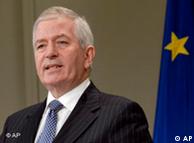
Κι όμως οι οργανισμοί αυτοί αποδείχθηκαν απρόθυμοι ή ανίκανοι να προβλέψουν τον πιστωτικό κίνδυνο σε τοξικά ομόλογα και άλλα παρεμφερή προϊόντα, τα οποία προκάλεσαν τη μεγαλύτερη οικονομική κρίση στη μεταπολεμική Ευρώπη. Ο ευρωβουλευτής της Ν.Δ. Γιώργος Παπαστάμκος υποστηρίζει ότι η Ευρωπαϊκή Επιτροπή επέδειξε ολιγωρία στον έλεγχο των οργανισμών αξιολόγησης: «Επιτρέψτε μου να σας πω ότι το θέμα της αξιοπιστίας των οίκων αξιολόγησης το είχα εγείρει τον Μάϊο του 2006, ασκώντας κοινοβουλευτικό έλεγχο προς την Κομισιόν και συγκεκριμένα προς τον αρμόδιο επίτροπο Μακ Γκρίβι» δηλώνει ο κ. Παπαστάμκος στην Deutsche Welle και διευκρινίζει: «Ο Επίτροπος τότε με είχε καθησυχάσει, λέγοντας ότι δεν συντρέχουν οι προϋποθέσεις μετάβασης σε ένα αυστηρότερο ρυθμιστικό πλαίσιο. Εν συνεχεία όμως ήρθε η παγκόσμια οικονομική κρίση και η Κομισιόν ανέλαβε πρωτοβουλία για να μεταβούμε σε αυστηρότερο ρυθμιστικό πλαίσιο, που είναι το πιο αυστηρό ρυθμιστικό πλαίσιο στον κόσμο».
«Ένα πρώτο βήμα που δεν επαρκεί»
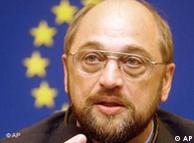 Bildunterschrift: Großansicht des Bildes mit der Bildunterschrift: "Είναι η αρχή και όχι το τέλος της νομοθετικής διαδικασίας", λέει ο Μάρτιν ΣουλτςΟι περισσότεροι οργανισμοί αξιολόγησης εδρεύουν στις ΗΠΑ. Μέχρι σήμερα περνούσαν απλώς από μία τυπική αξιολόγηση στην αποκαλούμενη Ευρωπαϊκή Επιτροπή Ρυθμιστικών Αρχών των αγορών κινητών αξιών (ΕΡΑΑΚΑ). Με τον νέο κανονισμό, η επιτροπή αυτή αναγνωρίζεται μεν ως εποπτική αρχή, αλλά ασκεί τον ρόλο της σε συνεργασία με τις εθνικές αρχές και επιπλέον δεσμεύεται να αναγνωρίσει τους οργανισμούς που λειτουργούν σε «ισοδύναμο ρυθμιστικό πλαίσιο», για παράδειγμα στις ΗΠΑ. Με άλλα λόγια, οι αμερικανικοί οργανισμοί δεν θα ελέγχονται «από μηδενική βάση», παρά τις υποσχέσεις του παρελθόντος για αυστηρή εποπτεία. Συμπέρασμα από τον πρόεδρο της Σοσιαλιστικής Ομάδας στο Ευρωπαϊκό Κοινοβούλιο, το Γερμανό Μάρτιν Σουλτς: «Κατά την άποψή μας είναι απλώς ένα πρώτο βήμα που δεν επαρκεί» λέει ο Μάρτιν Σουλτς στην Deutsche Welle». Ασφαλώς είναι καλύτερα να κάνουμε μία αρχή, παρά να μην κάνουμε τίποτα. Αλλά το τονίζω: είναι η αρχή και όχι το τέλος της νομοθετικής διαδικασίας».
Ελπίδες για αλλαγές «σε βάθος χρόνου»
«Το νέο ρυθμιστικό πλαίσιο δεν αρκεί» υποστηρίζει και η ευρωβουλευτής του ΠΑΣΟΚ Κατερίνα Μπατζελή και διευκρινίζει: «Πρώτον εστιάζει απλά και μόνο στην εξάλειψη της σύγκρουσης συμφερόντων μεταξύ των επιχειρήσεων που ελέγχονται ή βρίσκονται σε καθεστώς εξωτερικής επιτήρησης. Δεύτερον γίνεται μεν μία βελτίωση μεθοδολογίας της αξιολόγησης, αλλά αυτά τα κριτήρια δεν είναι επαρκή ή ενοποιημένα σε ευρωπαϊκό επίπεδο. Τρίτον θέτει έναν περίπλοκο μηχανισμό πρόβλεψης έτσι ώστε τα αποτελέσματα να εγγράφονται από μία εθνική αρχή σε συντονισμό με την ευρωπαϊκή αρχή αξιολόγησης»
 Bildunterschrift: Großansicht des Bildes mit der Bildunterschrift: "Χρειάζονται μέτρα", υποστηρίζει η Μόνικα Φρασόνι.Παρά τις ενστάσεις, τις επικαλύψεις αρμοδιοτήτων μεταξύ εθνικών και ευρωπαϊκών αρχών, αλλά και τη δυσαρέσκειά τους για τις αμερικανικές πιέσεις, οι ευρωβουλευτές ενέκριναν τελικά τον κανονισμό για τον έλεγχο των οργανισμών αξιολόγησης. Η επικεφαλής της ομάδας των Πρασίνων Μόνικα Φρασόνι υποστηρίζει ότι πρόκειται για μία μακροχρόνια νομοθετική διαδικασία, ελπίζει ότι σε βάθος χρόνου το Κοινοβούλιο θα βελτιώσει το καθεστώς εποπτείας και δεν παραλείπει να ασκήσει και εκείνη κριτική στον Επίτροπο Μακ Γκρίβι.
«Η διαδικασία που επέλεξε ο κύριος Μακ Γκρίβι είναι πολύπλοκη και δύσκολη να εφαρμοστεί στην πράξη» δηλώνει η Ιταλίδα ευρωβουλευτής στην Deutsche Welle. «Ασφαλώς θέλουμε μία ανεξάρτητη αρχή εποπτείας, αλλά απομένει να δούμε αν θα έχει ουσιαστικές αρμοδιότητες. Σας θυμίζω ότι στην αρχή της κοινοβουλευτικής περιόδου οι Πράσινοι είχαν προτείνει μέτρα ελέγχου των οργανισμών αξιολόγησης, αλλά ο Επίτροπος Μακ Γκρίβι επέμενε ότι δεν χρειάζονται μέτρα. Να λοιπόν που τελικά χρειάζονται μέτρα... », επισημαίνει η Μόνικα Φρασόνι.
Επισκόπηση τύπου | 29.04.2009
«Ο Ομπάμα θα χάσει το παιγνίδι, εάν δεν γίνει τώρα αποδεκτή η πολιτική του»

«Κανείς άλλος Αμερικανός πρόεδρος δεν προκάλεσε τέτοια υστερία στην αρχή της θητείας του όπως ο Μπάρακ Ομπάμα, αν και πολλές από τις αποφάσεις του είναι αμφιλεγόμενες, όπως το σχέδιο αντιμετώπισης της οικονομικής ύφεσης ή η αύξηση των αμερικανικών δυνάμεων στο Αφγανιστάν», σημειώνει η γερμανική εφημερίδα Süddeutsche Zeitung με αφορμή την συμπλήρωση 100 ημερών εξουσίας του Αμερικανού προέδρου:
«Ο Ομπάμα κατάφερε μέχρι στιγμής να πλασάρει την πολιτική του σαν αποτέλεσμα σύνεσης, σαν κάτι αναγκαίο. Ακόμη φαίνεται να εμπιστεύονται οι Αμερικανοί τα οράματά του. Ο ίδιος γνωρίζει όμως πολύ καλά ότι έχει χάσει το παιγνίδι, εάν δεν γίνει αποδεκτή η πολιτική του στις αρχές της θητείας του.»
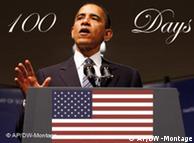 Bildunterschrift: Großansicht des Bildes mit der Bildunterschrift: "Σχεδόν τα τρία τέταρτα των Αμερικανών προσδοκούν ότι όλα θα πάνε καλά στο άμεσο μέλλον"
«Ό,τι υπόσχεται ο Ομπάμα ισχύει αμέσως ως πραγματικότητα», υπογραμμίζει η αυστριακή εφημερίδα Die Presse:
«Αυτή η επιείκεια προέρχεται από εθελοτυφλία, την αφέλεια και την επιθυμία για ένα καλύτερο αύριο. Εξάλλου γιατί να φοβηθούν ή να μην τον εμπιστευτούν οι Αμερικανοί, εφ’ όσον δεν έχει καθόλου λερωμένη τη φωλιά του;»
«Σχεδόν τα τρία τέταρτα των Αμερικανών προσδοκούν ότι στο άμεσο μέλλον όλα θα πάνε καλύτερα», γράφει η ολλανδική εφημερίδα de Volkskrant:
«Οι προσδοκίες αυτές πιέζουν τον Αμερικανό πρόεδρο, γι’ αυτό πρέπει να πετύχει το οικονομικό του πρόγραμμα και όχι να αποτύχει ως ανεπαρκές, όπως υποστηρίζουν οι επικριτές του. Και στην εξωτερική πολιτική είναι εκτεθειμένος ο Ομπάμα: διότι ο πόλεμος στο Αφγανιστάν δεν προχωρά όπως σχεδίαζε, στο Πακιστάν η κατάσταση εξελίσσεται επικίνδυνα, ενώ ουδείς γνωρίζει, εάν το Ιράν ανταποκριθεί στη χειρονομία καλής θέλησης του Ομπάμα. Και αυτά είναι μόνον ορισμένα από τα εμπόδια που πρέπει να ανατρέψει ή να διαχειριστεί με επιτυχία ο Αμερικανός πρόεδρος.»
«Δεν είναι καθόλου υπερβολικό να πούμε ότι ο Μπάρακ Ομπάμα άλλαξε το κλίμα στην διεθνή πολιτική σκηνή και με βάση αυτό μπορεί τώρα να οικοδομήσει τα θεμέλια της πολιτικής του» σχολιάζει η βρετανική εφημερίδα The Independent.
«Οι εκδιώξεις και οι απαλλοτριώσεις είναι παράνομες» 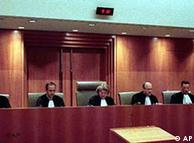 Bildunterschrift: Großansicht des Bildes mit der Bildunterschrift: Απόφαση - σταθμός για τις περιουσίες των Ελληνοκυπρίων στη Βόρεια Κύπρο
«Οι καιροί που οι αποφάσεις του Ευρωπαϊκού Δικαστηρίου υποτιμούνταν πέρασαν ανεπιστρεπτί», παρατηρεί η γερμανική Frankfurter Allgemeine Zeitung για την χθεσινή ‘απόφαση – σταθμό’ του Ευρωπαϊκού Δικαστηρίου να κηρύξει στη Βόρεια Κύπρο παράνομες τις αγορές ακινήτων που ανήκαν πριν την τουρκική εισβολή σε Ελληνοκυπρίους:
«Τώρα οι αποφάσεις του Ευρωπαϊκού Δικαστηρίου είναι από πολιτική άποψη ιδιαίτερα εκρηκτικές: όποιος έχει εκδιωχθεί από το Βόρειο τμήμα στο Νότιο της διχοτομημένης Κύπρου και εκεί πετύχει μια ευνοϊκή δικαστική απόφαση, η απόφαση αυτή είναι εκτελεστή σε όλα και για όλα τα κράτη - μέλη της ΕΕ.
Από την απόφαση αυτή πλήττονται πιθανόν μια σειρά Δυτικοευρωπαίων που αγόρασαν φθηνά εξοχικά στη Βόρεια Κύπρο που ανήκαν πριν από την τουρκική εισβολή σε Ελληνοκύπριους.»
«Ενδέχεται να είναι σκληρό, αλλά δεν πρέπει να λησμονούμε το μήνυμα που στέλνει το Ευρωπαϊκό Δικαστήριο με αυτή την απόφαση: οι εκδιώξεις και οι απαλλοτριώσεις είναι παράνομες ακόμη και εάν περάσει η εξουσία σε άλλους. Έρχεται πάντα η επανόρθωση.»
Για το ίδιο θέμα η επίσης γερμανική Süddeutsche Zeitung επισημαίνει:
«Με την απόφαση του Ευρωπαϊκού Δικαστηρίου στο Λουξεμβούργο ασκούνται ντε φάκτο πιέσεις και προς την Τουρκία, διότι επέτρεψε να πουληθούν πολυάριθμα ακίνητα και οικόπεδα σε Ευρωπαίους πολίτες αν και δεν ανεστάλησαν ποτέ οι αξιώσεις των Ελληνοκυπρίων για τις περιουσίες τους στη Βόρεια Κύπρο.»
Τέλος δύο ακόμη γερμανικές εφημερίδες δημοσιεύουν ρεπορτάζ ελληνικού ενδιαφέροντος.
Η Tagesspiegel δημοσιεύει ρεπορτάζ για την ανακοίνωση των αυτόνομων του Βερολίνου που καλούν τους Έλληνες φιλάθλους των ομάδων μπάσκετ του Παναθηναϊκού και του Ολυμπιακού που παίζουν την Πρωτομαγιά στο Βερολίνο να πάρουν μέρος στη διαδήλωσή τους, η οποία γίνεται παραδοσιακά στο Κρόιτζμπεργκ μετά τις 6 η ώρα το βράδυ. Η εφημερίδα αναφέρεται αναλυτικά στα μέτρα ασφαλείας που έχουν ληφθεί για να εμποδιστεί η συνάντηση χούλιγκανς και αυτόνομων.
Και η Frankfurter Rundschau σε ρεπορτάζ της με αφορμή την αποπεράτωση του Μουσείου της Ακροπόλεως στις 20 Ιουνίου επανέρχεται στο ζήτημα των Ελγινείων Μαρμάρων του Παρθενώνα και καταγράφει τις προσπάθειες της ελληνικής κυβέρνησης για την απόκτηση των ελγινείων έστω και ως μόνιμης δωρεάς.
Το θέμα της ημέρας | 29.04.2009/dw
100 ημέρες Μπάρακ Ομπάμα: θα πετύχει την ανάκαμψη της οικονομίας;
Ποτέ μέχρι σήμερα ένας Αμερικανός πρόεδρος δεν κατέκτησε τον θώκο του με τόσες δάφνες και προσδοκίες, αλλά και με τόσες προκλήσεις. Η μεγαλύτερη μάλιστα από αυτές, η αντιμετώπιση της παγκόσμιας οικονομικής ύφεσης, είναι το κλειδί για την τελική επιτυχία της προεδρίας του.
Όπως ο Φραγκλίνος Ρούσβελτ τη δεκαετία του ΄30, έτσι και ο Ομπάμα θα περάσει στην αμερικανική ιστορία σαν big spender.
Ο Ομπάμα επένδυσε από τις πρώτες ημέρες της εξουσίας του δισεκατομμύρια δολάρια σε πακέτα για την τόνωση της οικονομίας, μιας οικονομίας που ο προκάτοχός του είχε φροντίσει στα οκτώ χρόνια της θητείας του να μετατρέψει σε ερείπια: κλονισμένη χρηματοπιστωτική αγορά, κρίση στην αυτοκινητοβιομηχανία, έκρηξη της φούσκας στην αγορά ακινήτων και ο μεγαλύτερος αριθμός ανέργων μετά τον Δεύτερο Παγκόσμιο Πόλεμο.
Μοναδικό στην ιστορία ‘πακέτο – μαμούθ’ για την οικονομική ανάκαμψη
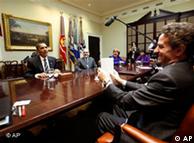 787 δις δολάρια για την τόνωση της αμερικανικής οικονομίαςΑμέσως μετά την ανάληψη των καθηκόντων του ο 47χρονος πρόεδρος των ΗΠΑ είχε προειδοποιήσει ότι «εάν δεν δραστηριοποιηθούμε αμέσως, τότε η κατάσταση θα χειροτερέψει».
Εντός των πρώτων 25 ημερών της θητείας του και παρά την απεγνωσμένη αντίδραση των Ρεπουμπλικανών το Κογκρέσο ενέκρινε το πακέτο-μαμούθ, μοναδικό στην αμερικανή ιστορία, για την τόνωση της αμερικανικής οικονομίας: 787 δισεκατομμύρια δολάρια.
Το πακέτο Ομπάμα, με επενδύσεις και φοροαπαλλαγές, στοχεύει στη δημιουργία θέσεων εργασίας και στην αύξηση της καταναλωτικής δύναμης του μέσου Αμερικανού. Επίσης για τη σωτηρία των χρηματοπιστωτικών ιδρυμάτων ο Ομπάμα έβαλε βαθιά το χέρι στα κρατικά ταμεία: 700 δις δολάρια έθεσε στη διάθεση των τραπεζών με στόχο την ανάκαμψη της πιστωτικής ευεξίας τους, αλλά και την αποδέσμευσή τους από τα τοξικά χρεόγραφα.
Σε τεστ-κόπωσης υπέβαλε ο Αμερικανός πρόεδρος την αυτοκινητοβιομηχανία: πριμοδότησε με κρατικές πιστώσεις τους προβληματικούς γίγαντες General Motors και Chrysler, αλλά υπό τον όρο όχι της απλής εξυγίανσης των ομίλων, αλλά της άρδην αναδιάρθρωσής τους. Στην Chrysler επέβαλε μάλιστα και προθεσμία μέχρι τέλος Απριλίου για να συνάψει συμμαχία με την FIAT.
Αλόγιστη σπατάλη ή σωστή παρέμβαση; Οι επικριτές του Ομπάμα
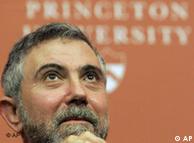 Πολ Κρούγκμαν: "Ο Ομπάμα δεν έβαλε το μαχαίρι στο κόκαλο"
Παρ’ όλα αυτά: Διεθνές Νομισματικό Ταμείο (ΔΝΤ) και Παγκόσμια Τράπεζα (ΠΤ) προβλέπουν συνέχιση της συρρίκνωσης της οικονομίας, ενώ ο Ομπάμα δέχεται κριτική για την οικονομική του πολιτική από δεξιούς και αριστερούς. Χαρακτηριστική είναι η δήλωση του νομπελίστα οικονομολόγου Πολ Κρούγκμαν που υποστηρίζει ότι το οικονομικό πρόγραμμα του Ομπάμα «δεν βάζει το μαχαίρι ως το κόκαλο και δηλώνει πως εάν χάσει αυτή την ευκαιρία δεν θα υπάρξει δεύτερη».
Πολλοί Ρεπουμπλικανοί ισχυρίζονται ότι το πακέτο Ομπάμα είναι απλώς μια αλόγιστη σπατάλη, όπως ο Τζον Μπόνερ, εκπρόσωπος τύπου του Ρεπουμπλικανικού Κόμματος, ο οποίος δήλωσε ότι «εάν ο Ομπάμα συνεχίσει την αφαίμαξη του ήδη ελλειμματικού προϋπολογισμού, τότε διακυβεύονται οι θέσεις εργασίας, τις οποίες θέλει να δημιουργήσει».
Αυτά οι πολιτικοί και οι ειδικοί: οι απλοί Αμερικανοί εμπιστεύονται τον Ομπάμα. Το 71% εκτιμά ότι η οικονομική πολιτική του προέδρου θα φέρει την πολυπόθητη ανάκαμψη της οικονομίας.
Ωστόσο η συγκυρία είναι δύσκολη. Μετά την εμφάνιση και της γρίπης των χοίρων πολλές είναι οι Κασσάνδρες που εκτιμούν ότι οι οικονομικές επιπτώσεις αυτής της γρίπης θα είναι σοβαρότερες από εκείνες της επιδημίας του 2003.
Συγκεκριμένα η Παγκόσμια Τράπεζα υπολογίζει ότι σε περίπτωση μιας ήπιας μορφής της επιδημίας θα συρρικνωθεί κατά 2% το παγκόσμιο ΑΕΠ, ενώ σε περίπτωση μιας πανδημίας, όπως εκείνης της ισπανικής γρίπης του 1918, η συρρίκνωση του παγκόσμιου ΑΕΠ θα αγγίξει το 4%.